
Understanding fitness tracker metrics: make sense of your data
Confused by your fitness tracker? Here's what the most important metrics mean
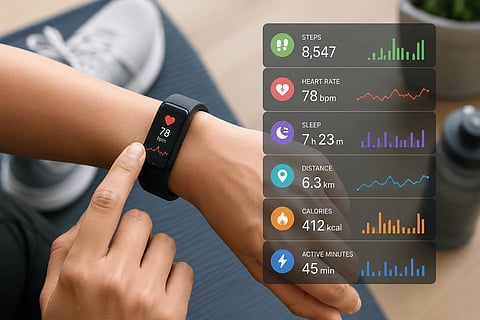
The most famous number on a fitness tracker, 10,000 steps, was never created as a medical target. It began as the name of a Japanese pedometer in the 1960s and became popular because it was memorable. Today's wearables collect far more information, from heart rate to sleep patterns and recovery estimates. The useful insight is not any single number but the story that develops over weeks and months. Read that data as a guide to habits rather than a scorecard, and your tracker becomes a practical coaching tool instead of a daily report card.
What the numbers actually tell you
Most fitness trackers combine motion sensors with an optical heart rate sensor to estimate how active you are throughout the day. Step counts are best viewed as a simple measure of movement rather than a competition. If your weekly average steadily rises, that often matters more than hitting one exact daily total.
Heart rate works in a similar way. Your resting heart rate is usually most useful when compared with your own normal range over time rather than someone else's. During exercise, heart rate zones help estimate workout intensity. Optical wrist sensors are generally reliable during steady exercise but can become less accurate during rapid arm movement or high intensity intervals, so occasional variations are normal.
Sleep tracking estimates how long you spend awake and in light, deep and REM sleep using movement and heart rate patterns. These stages are estimates rather than direct measurements, making long term consistency more meaningful than a single night's result. If you have persistent sleep concerns, speak with a doctor rather than relying on a wearable alone.
What to look for
Choose a tracker with dependable heart rate monitoring, comfortable all day wear and software that presents trends clearly. Battery life also matters because more consistent wear produces more complete data, especially overnight. Treat calorie estimates and readiness scores as rough guides rather than precise measurements, since every manufacturer uses proprietary algorithms that can differ.
Google Fitbit Air
Google's screen free tracker is designed for people who prefer simple, continuous monitoring without another display demanding attention. It focuses on everyday movement, heart rate and sleep tracking while syncing everything to the Fitbit app for long term trends. Its lightweight design makes overnight wear comfortable, which is especially valuable for building consistent sleep data instead of chasing individual nightly scores.
Garmin Forerunner 165
Garmin's Forerunner 165 suits anyone who wants fitness metrics with more training context. Built in GPS, workout guidance and detailed heart rate zones make it particularly useful for runners and regular exercisers. Garmin's software excels at showing how today's activity fits into broader training patterns, helping users understand progress rather than isolated numbers.
Amazfit Helio Strap
The Helio Strap takes a minimalist approach while still collecting key activity, heart rate and recovery information. Its emphasis is continuous background tracking instead of frequent interaction. That makes it attractive for people who want wearable insights without regularly checking a watch face throughout the day.
Apple Watch Series 11 Aluminium
Apple combines smartwatch features with comprehensive fitness tracking in a familiar interface. Activity rings, workout tracking and detailed sleep reporting are presented in an easy to understand format, making trends accessible even to first time users. It is particularly well suited to people already using an iPhone who want health and fitness information alongside everyday smart features.
Verdict
Fitness trackers work best when they help you notice patterns instead of encouraging perfection. Rising activity levels, consistent sleep habits and stable long-term heart rate trends are often more informative than one unusually high or low reading. For readers wanting the strongest balance between everyday wear and meaningful fitness insight, the Garmin Forerunner 165 stands out thanks to its detailed training analysis and approachable presentation.
Gulf News earns a commission on purchases made through links in this article, at no extra cost to you. Our editorial team selects products independently.


